


The Costa Brava at a Glance
The Costa Brava lies in north-eastern Spain, in the Catalan province of Girona. It stretches from Blanes in the south to Portbou on the French border. Rocky stretches of coastline, small coves and extensive beaches shape the landscape. Add former fishing villages, medieval town centres and the artistic legacy of Salvador Dalí, and you have a region that offers far more than a traditional beach holiday.
One of the best ways to explore the coastline is along the Camins de Ronda. These historic coastal paths connect numerous beaches, coves and towns. Some sections are ideal for a short walk, while others lead along narrow paths, steps and varied terrain. If you are planning to hike along the Costa Brava, choose a route that suits the time available and your level of fitness. Sturdy footwear is recommended, even when the Mediterranean is constantly in view.
Three Places Worth Visiting
Tossa de Mar: A Medieval Old Town with Sea Views
The Vila Vella in Tossa de Mar is one of the Costa Brava’s most distinctive sights. Its medieval walls and towers rise above the bay, while narrow lanes wind through the historic old town behind them. Combine a walk through the old town with a visit to the lighthouse and a break on Platja Gran beach. It is an easy way to experience both the history and coastal scenery of the region in one outing.
Calella de Palafrugell: Fishermen’s Houses and Small Coves
Calella de Palafrugell has retained much of the character of its past as a fishing village. Around Port Bo beach, traditional houses and small boats define the scenery. If you would like to add some activity to your visit, follow the coastal path towards Llafranc. At just over one kilometre, the route runs alongside the sea and provides an easy introduction to the Camins de Ronda.
Cadaqués: Whitewashed Houses and the World of Salvador Dalí
Whitewashed houses, narrow streets and small coves make Cadaqués one of the most characteristic towns on the northern Costa Brava. In nearby Portlligat, you can visit the Salvador Dalí House-Museum and discover the artist’s former home and studio. Advance booking is required for the museum, so it is worth planning this excursion rather than leaving it to the last minute.
Sea Meets Mountains – A Culinary One-Two
Costa Brava cuisine combines fish and seafood with ingredients from the surrounding countryside. Well-known regional specialities include the red prawns of Palamós and anchovies from L’Escala. Another traditional dish is Suquet de Peix, a fish and potato stew with close ties to the region’s fishing heritage.
The combination of sea and land is also typical of local cuisine and appears on menus under the Catalan term “Mar i Muntanya”, meaning “sea and mountains”. One example is chicken with langoustines. Rice dishes are another important part of the region’s cuisine. Rather than sticking to familiar holiday favourites, it is well worth looking out for local specialities.
Our tip: Make a shared meal part of your excursion. After exploring an old town or walking along the coast, it gives you time to experience the Costa Brava from a culinary perspective too. For larger groups, we recommend arranging table reservations and menu requirements in advance.
When Is the Best Time to Visit?
The best time to visit the Costa Brava depends on what you want to do. For sightseeing and coastal walks, we recommend April to June as well as September and October as a general guide. These periods allow you to avoid the hottest summer months. For a traditional summer holiday centred around beaches and water sports, July and August are particularly suitable.
Spring is ideal for active days outdoors. Autumn is also a good time to explore coastal towns and coves once the busy summer season has passed. Outside the height of summer, however, you should be prepared for cooler evenings and occasional rainy days. Weather-appropriate clothing and some flexibility in your daily plans are therefore advisable.
Weather should not be the only factor when choosing your travel dates. For your specific trip, also check the opening times of planned attractions as well as the available transport connections for your arrival and excursions.
Taking Your Team to the Costa Brava
Work towards your goals on the pitch and then discover the Costa Brava together: a walk by the sea, an excursion to Tossa de Mar or a team meal featuring Catalan specialities can all complement your training programme. It is an ideal way to combine intensive training sessions with shared experiences that there is often little time for during the regular football season.
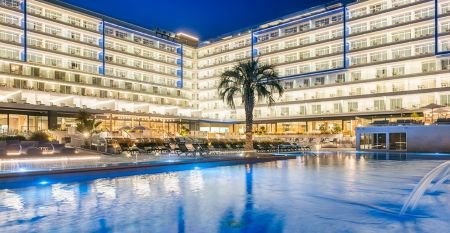
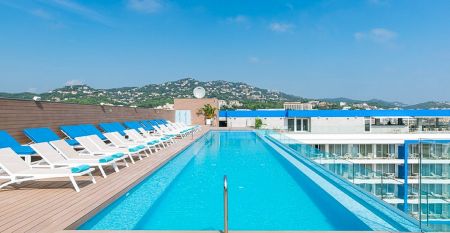
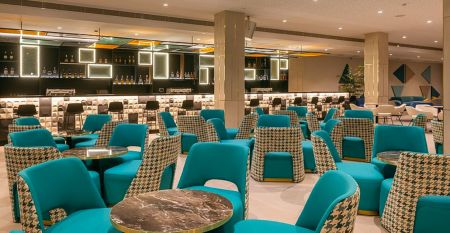
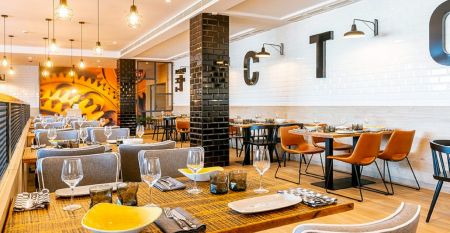
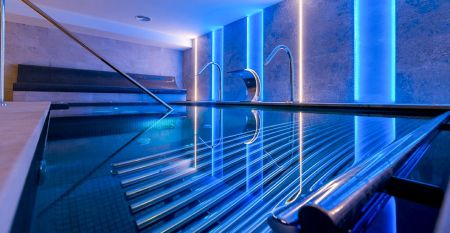
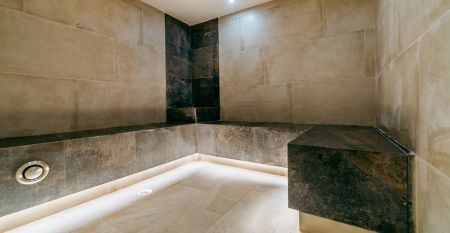
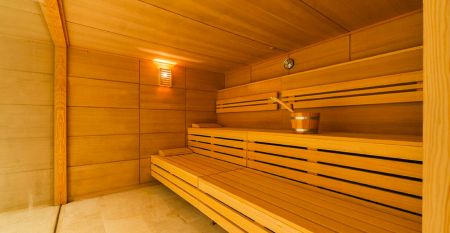
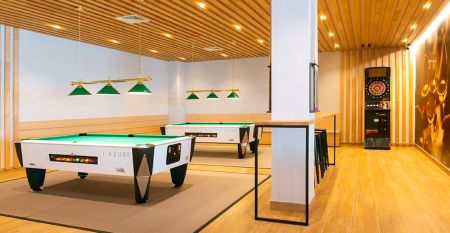
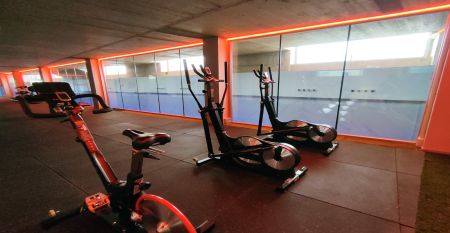
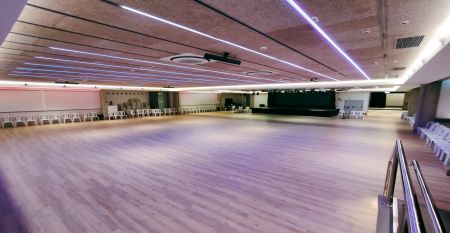
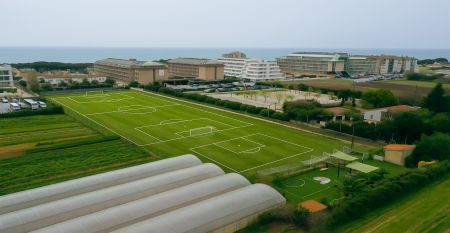
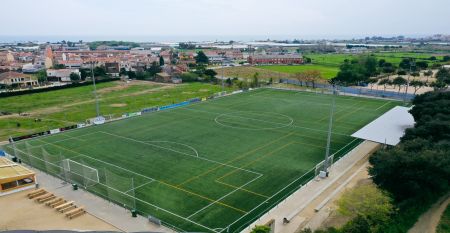
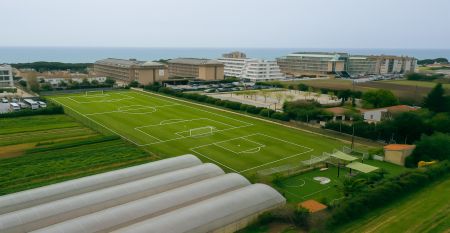
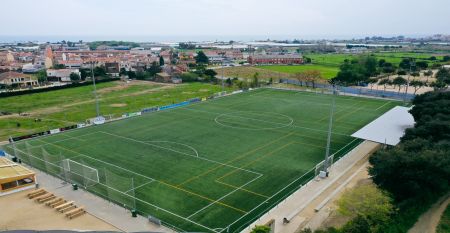
For your football training camp on the Costa Brava, we offer a selection of suitable accommodation. At the Lazure Hotel in Lloret de Mar, natural and artificial grass pitches are within walking distance, while the catering is tailored to the needs of athletes. At the Van der Valk Hotel Barcarola, you stay around 50 metres from Sant Pol beach and train on the artificial grass pitches in Sant Feliu de Guíxols.
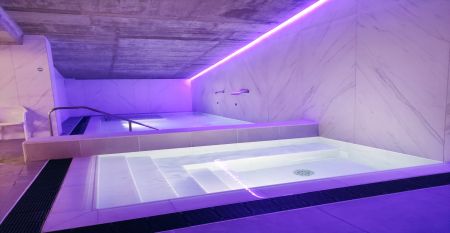
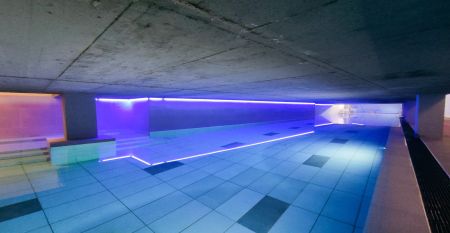
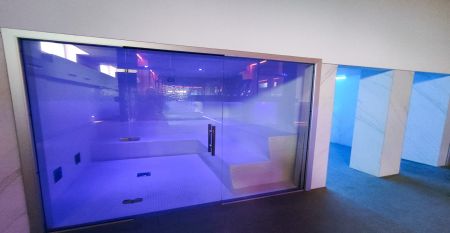
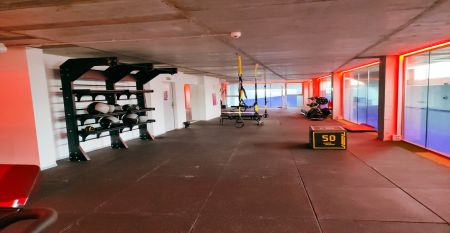
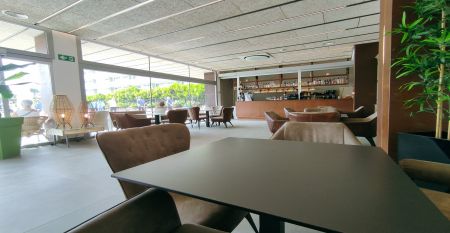
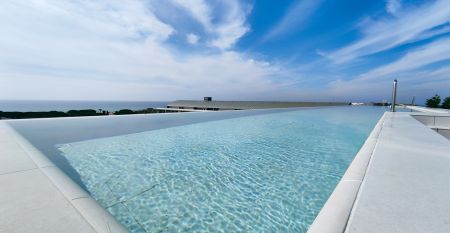
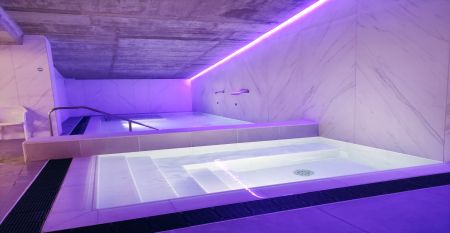
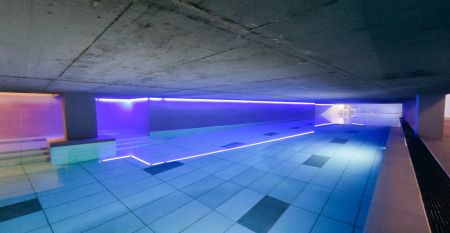
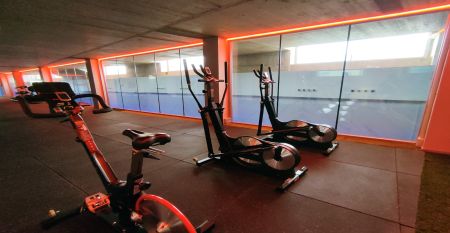
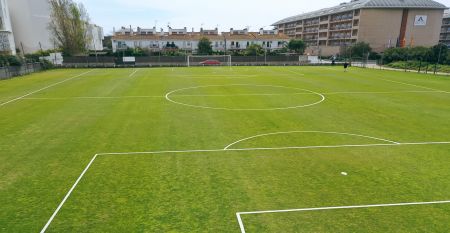
Further options include the Sporthotel Santa Susanna Don Angel and Santa Susanna Suites & Spa on the neighbouring Costa del Maresme. Both combine natural grass training facilities within walking distance with accommodation close to the beach.
Discover our training camp options in Catalonia and combine your next pre-season preparation with memorable team experiences on the Mediterranean coast.
-
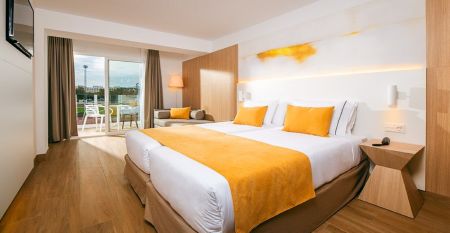
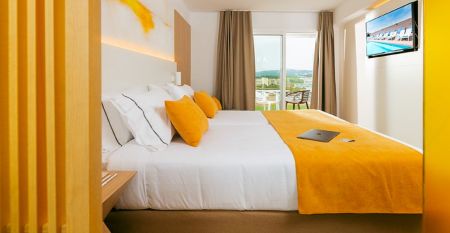
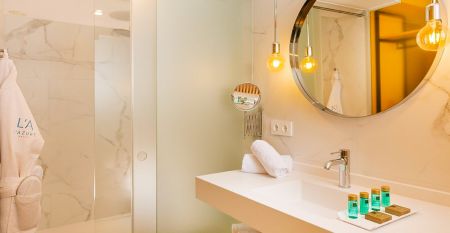
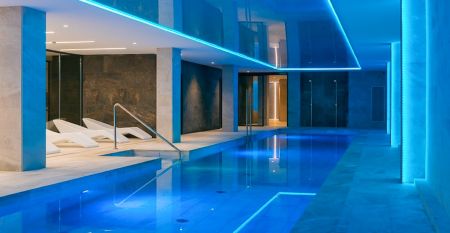

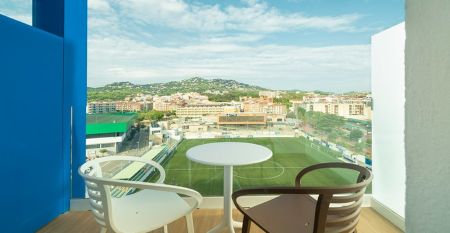
Lloret de Mar, Catalonia
5 days, 4 nights (full board), incl. flight -


 New
Van der Valk Hotel BARCAROLA****
Girona, Catalonia
4 days, 3 nights (full board) -
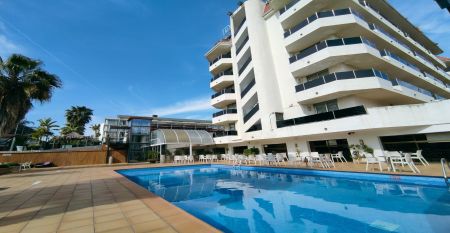
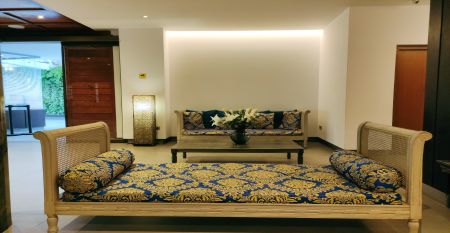
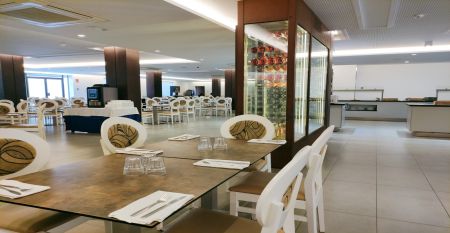




Sporthotel Santa Susanna Don Angel
Santa Susanna, Catalonia
5 days, 4 nights (full board), incl. flight -
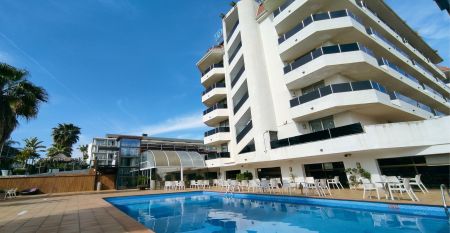
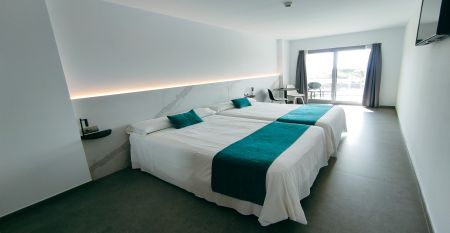
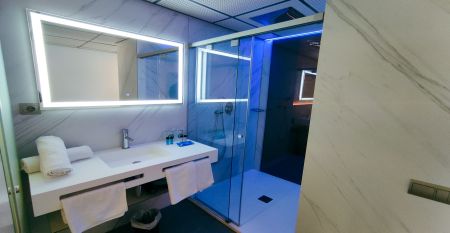
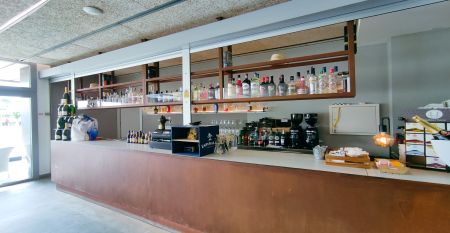




Santa Susanna Suites & Spa ****
Santa Susanna, Catalonia
5 days, 4 nights (full board), incl. flight


